
 搜索产品...

 英语
英语 中文简体
中文简体
寻找商机?
轮毂轴承损坏有哪些症状,何时应该更换?
 2026.03.01
 行业新闻
行业新闻
一个 轮毂轴承 是任何车辆上最安全的部件之一。它在每个车轮上支撑车辆的全部重量,使车轮能够自由准确地旋转,并且在从动轴上将驱动扭矩从车轴传递到车轮。当轮毂轴承开始失效时,后果会从容易忽视的早期预警症状发展到日益严重的性能下降,如果允许轴承失效,最终可能导致车轮脱离或车辆失控。
尽早识别轮毂轴承故障的症状,并了解这些症状表明轴承的状况,是在车间直接更换轴承与路边故障或最坏情况下发生事故之间的区别。本指南按从最早到最严重的顺序解释了轮毂轴承损坏的具体症状、如何诊断哪个车轮受到影响以及更换时机的决策标准。
轮毂轴承失效的最常见症状
1. 随车速变化的磨擦声或轰鸣声
轮毂轴承失效的最早且最明显的症状是与车速直接相关的磨擦声、轰鸣声或嗡嗡声。随着车辆加速,噪音的音调或强度增加;当车辆减速时,它会成比例地减小。这种与速度相关的噪声模式是车轮轴承与其他噪声源的区别——轮胎噪声、排气共振和道路噪声都具有不同的速度响应特性。
噪音源于在轴承内部退化的滚道表面上运行的磨损或损坏的滚动元件(球或滚子)。随着轴承磨损,光滑的滚动接触变得越来越粗糙,产生振动,通过轴承座、转向节和悬架传递到车身,形成可闻噪音。在早期阶段,噪音可能仅在某些速度范围内(通常为 60-100 公里/小时)才会明显,因为滚动元件接触的频率落在在这些速度下最有效地传输到乘客舱的范围内。
2. 转弯或变道时噪音发生变化
一个 critical diagnostic refinement of the bearing noise symptom: if the noise changes — increases on one side of a turn and decreases on the other — this indicates the specific bearing that is failing. When the vehicle turns, the weight load transfers laterally. On a left turn, the load shifts to the right wheel; on a right turn, the load shifts to the left wheel. A failing bearing on the more heavily loaded side produces more noise; when the load transfers away from it (the damaged bearing is now on the lightly loaded side), the noise reduces.
实用的诊断程序:如果在中等速度行驶时轻轻向右转向时磨擦噪音增大,则故障轴承很可能位于右侧(前轮驱动车辆的右前部,如果噪音似乎来自后部,则为右后部)。如果左转时噪音增大,则怀疑左轴承问题。该测试足够一致和可靠,经验丰富的技术人员在拆卸之前将其用作主要的轴承侧识别方法。
3.方向盘振动或摆动
一个s bearing wear progresses beyond the early noise stage, the internal clearance of the bearing increases — the rolling elements no longer fit tightly within the raceways, and there is measurable looseness in the assembly. This looseness translates to wheel runout: the wheel no longer rotates in a perfectly fixed plane but wobbles slightly on each rotation. On front wheels, this wobble is transmitted directly through the steering linkage to the steering wheel, producing a vibration or shimmy that may be felt in the steering wheel at certain speeds and that often varies with load, turning, and road conditions.
轴承引起的方向盘振动与轮胎不平衡振动不同——轮胎不平衡在特定车速范围内产生振动,该振动在高于和低于该范围时消失,而轴承振动往往更广泛,并且随着转向方向而改变特性。如果车轮平衡未能解决方向盘振动问题,则下一个诊断步骤是轮毂轴承检查。
4.轮胎磨损不均匀
一个 wheel hub bearing with increased internal clearance allows the wheel and tire to tilt slightly relative to the axle — a condition called excessive toe or camber variation from the bearing looseness. This irregular wheel angle causes uneven contact between the tire and road surface, producing accelerated or uneven tread wear patterns. In front-wheel-drive vehicles, worn front wheel hub bearings are a common cause of inner or outer edge tread wear that is otherwise unexplained by alignment problems. If an alignment check shows values within specification but unusual tread wear persists, bearing inspection is warranted.
5. ABS警告灯和轮速传感器错误
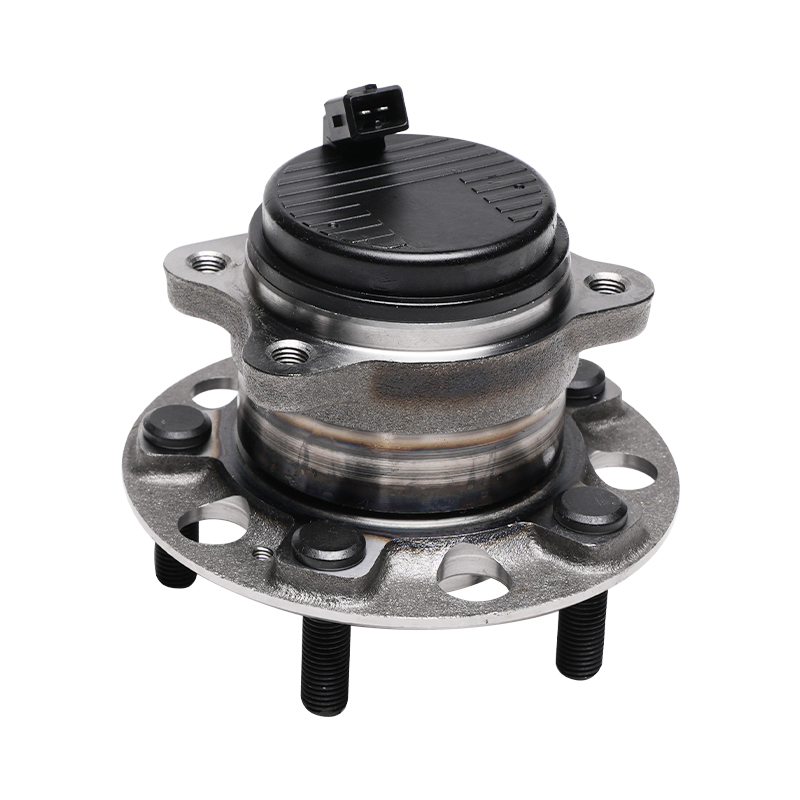
现代轮毂组件 — 特别是第 2 代和第 3 代设计(请参阅有关轮毂轴承各代的文章) — 将 ABS 轮速传感器直接集成到轴承组件中。传感器读取内置于轴承内圈或密封件中的磁性编码器环的转速。当轴承开始失效时,多种失效模式可能会破坏轮速信号:编码器环可能会因热量和污染而损坏或失去磁性;轴承松动会导致传感器和编码器环之间的间隙变化,从而降低信号质量;严重的轴承损坏会导致间歇性或完全信号丢失。
结果是仪表板上出现 ABS 警告灯,可能还伴有稳定性控制、牵引力控制或电子制动分配警告,因为所有这些系统都依赖于每个角落的准确轮速数据。清除并重新出现的轮速信号故障,或者发生在单个轮道上的轮速信号故障,是对该拐角进行轴承检查的特定指标,特别是当伴有上述任何噪音或振动症状时。
6. 制动时向一侧拉
一个dvanced bearing failure — where the bearing has developed significant internal damage or the bearing's axial play has become large enough to affect brake rotor runout — can cause the vehicle to pull to one side when braking. The mechanism is brake rotor lateral runout from the loose bearing, causing the brake caliper piston to be pulsed in and out as the warped or tilted rotor sweeps past it, generating uneven braking force between the two sides. A vehicle that pulls on braking is more commonly caused by a sticking caliper or uneven pad wear, but if brake component inspection finds no fault, the wheel hub bearing should be examined for excessive play.
7. 车轮上的热量
一个 severely failing or seized bearing generates significant friction heat. In the most advanced stages of bearing failure — before or after actual mechanical failure of the rolling elements — the wheel hub and surrounding area become noticeably hot to the touch after driving, while the corresponding positions on the other axle remain at normal operating temperature. This heat is a late-stage warning indicator that the bearing is failing rapidly; by the time a wheel is hot from bearing friction, replacement is urgently required. Driving a vehicle with an extremely hot wheel hub bearing risks complete bearing seizure, which can lock the wheel or, in the worst case, with loose hub nut conditions, allow wheel separation.
如何确认哪个轮毂轴承出现故障
一旦出现轴承故障症状,以下诊断程序可确认哪个轴承受到影响以及损坏的严重程度:
高架车辆检验——车轮抖动测试: 将车辆安全地举起在千斤顶支架(不仅仅是落地式千斤顶)上,抓住轮胎的 12 点钟和 6 点钟位置,并尝试将其向自己的方向摇动或远离自己。在这些位置感觉到的任何游隙都表明径向轴承间隙。在 9 点钟和 3 点钟位置重复上述操作,检查横向游隙。可用的轴承在任一方向上都没有可检测到的游隙。在出现噪音或振动症状的车辆中,任何可察觉的游隙(即使是 0.5-1 毫米)都表明需要更换轴承。请注意,某些车辆设计在设计上存在轻微的差异;与相对轴上的相同位置进行比较作为参考。
车轮空转测试: 将车轮抬离地面,用手以中等速度旋转车轮。好的轴承旋转平稳,减速均匀。当滚动元件经过损坏的滚道区域时,失效的轴承可能会感觉粗糙、有缺口或不规则。聆听旋转过程中是否有摩擦声、咔嗒声或不规则的噪音。在带有限滑差速器的从动轴上,双向旋转以区分传动系统阻力和轴承粗糙度。
听诊器或机械棒: 一个 simple mechanic's stethoscope or a long metal rod held against the bearing area while an assistant slowly rotates the wheel allows the technician to listen directly to the bearing noise isolated from the surrounding structure. Bearing noise is localized, irregular, and directional — it should be clearly distinguishable from other rotation-related sounds.
何时应更换轮毂轴承?
轮毂轴承更换的时机取决于症状的严重程度以及轴承在车辆安全系统中的作用:
一个t the 首次出现一致的速度相关噪声 ,应对轴承进行检查,如果得到确认,则安排在合理的时间内进行更换——如果噪音轻微且不存在其他症状,则在最近发现的噪音轴承上再行驶数千公里通常是可以接受的,但超过此时间的延迟会导致损坏进一步发展。
当 方向盘振动、拉力或 ABS 故障 除噪音外,应优先考虑并及时更换。这些症状表明轴承已经过了早期磨损阶段,进入了对车辆操纵和安全系统产生积极影响的状态。
当 车轮摆动(在车轮抖动测试中可检测到间隙)或发热 如果存在,则在更换轴承之前不应驾驶车辆。在此阶段,轴承的结构完整性受到损害,继续行驶可能会出现突然故障。
一个s a general preventive guideline, wheel hub bearings on passenger vehicles typically reach the end of their service life in the range of 150,000–300,000 km under normal use, though this range varies significantly by vehicle type, driving conditions (road surface quality, exposure to water and salt), and bearing quality. Vehicles operated in harsh environments — coastal areas with salt air, regions with heavily salted winter roads, and frequent off-road or heavily potholed roads — should have bearings inspected at shorter intervals.
更换一个轴承是否意味着您应该更换另一侧?
这是轮毂轴承更换决策中的常见问题。一般指导:如果同一车轴上的两个轴承具有相似的里程和运行历史,并且其中一个轴承出现故障,则另一个轴承可能会出现类似的状况。同时更换车轴上的两个轴承——当车辆已经在车间中且车轮被拆下时——消除了在短时间内需要更换第二个轴承的可能性,从而避免了第二次人工费用。在商用和车队车辆维护中,同时更换两个车轴轴承是标准做法。
对于乘用车来说,是否同时更换对方轴承是根据幸存轴承的寿命和状况以及车主的喜好来判断的。如果对面的轴承没有显示任何噪音、没有游隙,也没有 ABS 故障,则可以合理地将其保留在原位,但应在下一个维修间隔时重新检查。
常见问题解答
我可以使用损坏的轮毂轴承驾驶吗?
简而言之 - 到达车间 - 是的,如果症状仅限于噪音并且车轮在振动测试中没有显示出间隙并且没有产生热量。在已确认失效的轴承上行驶较长距离可能会导致逐渐损坏、ABS 和稳定性控制系统故障、轮胎磨损不均匀,在严重的情况下,轴承完全失效可能导致车辆失控。如果车辆在行驶后发现车轮有间隙或轮毂异常发热,则不应驾驶。
轮毂轴承更换需要多长时间?
在配备第 2 代或第 3 代螺栓固定式轮毂组件的现代车辆上,对于经验丰富的技术人员来说,每个角落的更换通常需要 1-2 小时,包括拆卸制动钳和转子以接近轴承安装螺栓、更换组件以及重新组装和扭矩验证。第一代压入式轴承更换需要更长的时间(2-3 小时),因为必须从转向节压入轴承,这需要液压机和适合特定车辆的正确压接适配器。如果转向节上的轴承严重腐蚀,劳动时间可能会进一步延长,这种情况在盐分气候地区的高里程车辆上很常见。
为什么轮毂轴承噪音有时会暂时消失?
据报道,这种现象可能会误导车主,让他们认为问题已经解决。最常见的解释是:早期磨损阶段的轴承噪音可能会随着温度(当部件加热到工作温度时轴承间隙略有变化)、负载条件(在特定的速度-负载组合下噪音可能更明显)和润滑剂状态(当润滑脂处于温热状态和流体状态时,与冷启动相比,润滑脂已部分降解的轴承在工作温度下运行时更安静)而发生显着变化。噪音消失并不意味着轴承已恢复——滚道和滚动元件的内部损坏是永久性的、渐进性的。如果出现噪音并确认与轴承有关,则无论间歇性安静期如何,都应进行调查。
日系、美系、欧系、韩系、德系车轮毂轴承
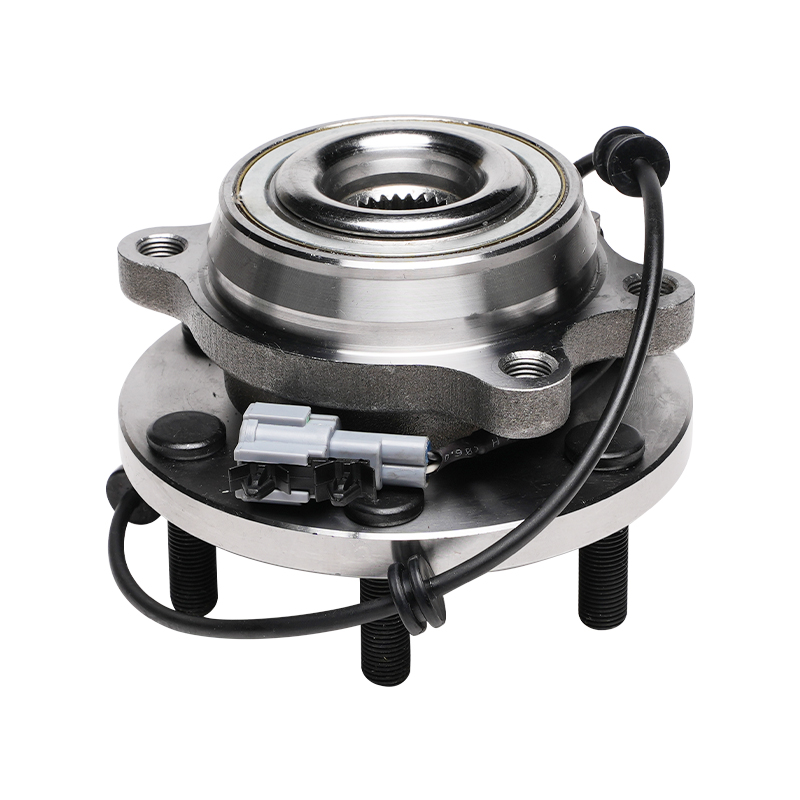
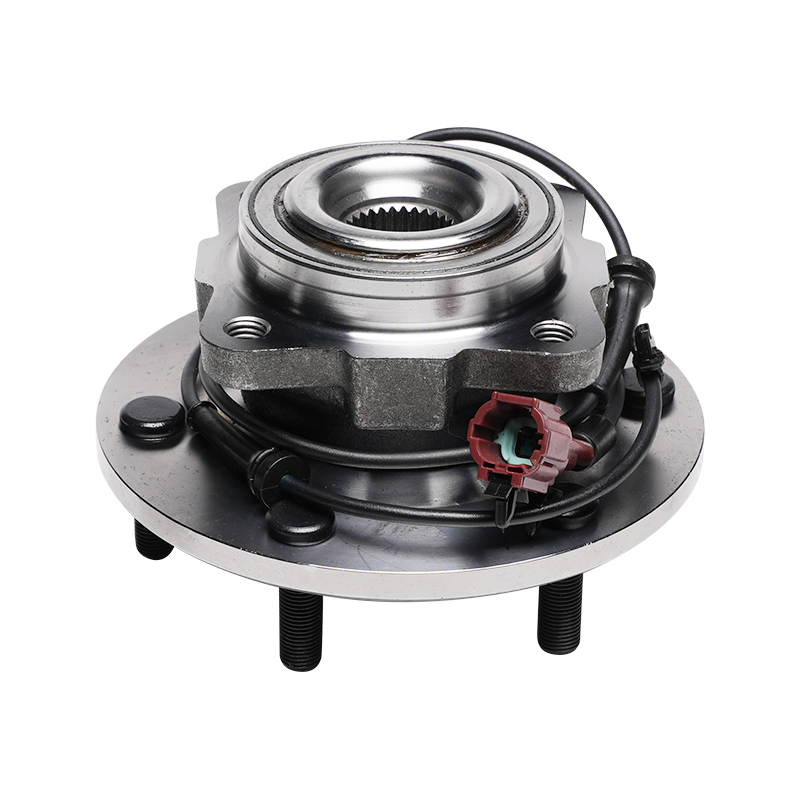
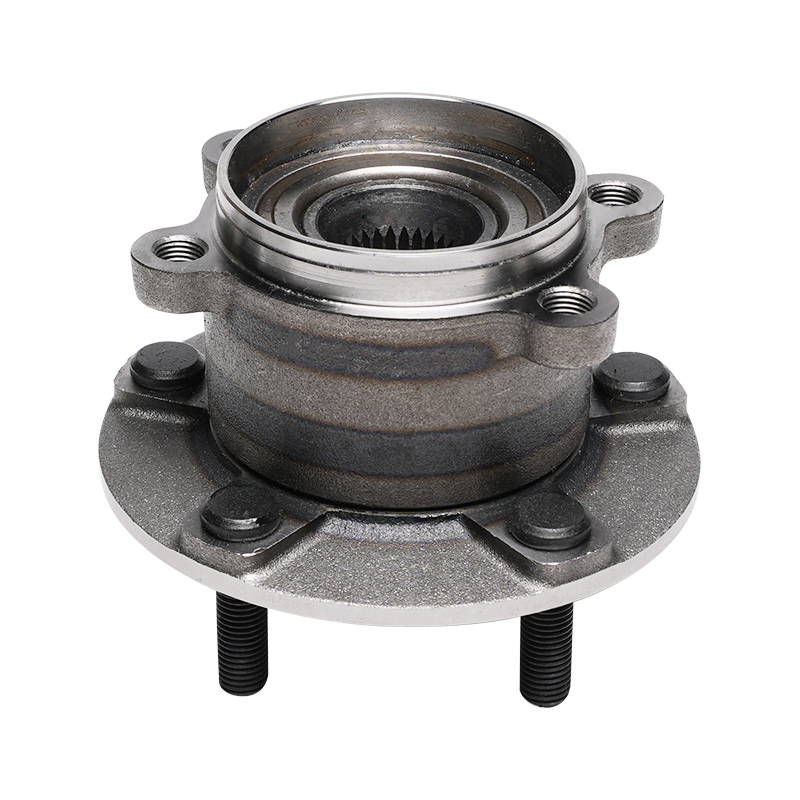
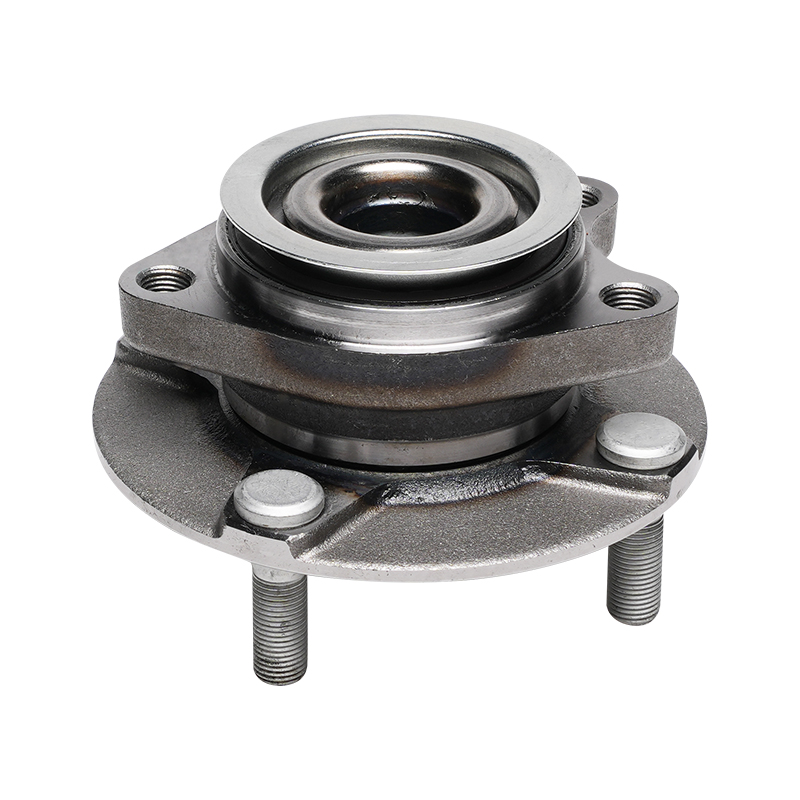
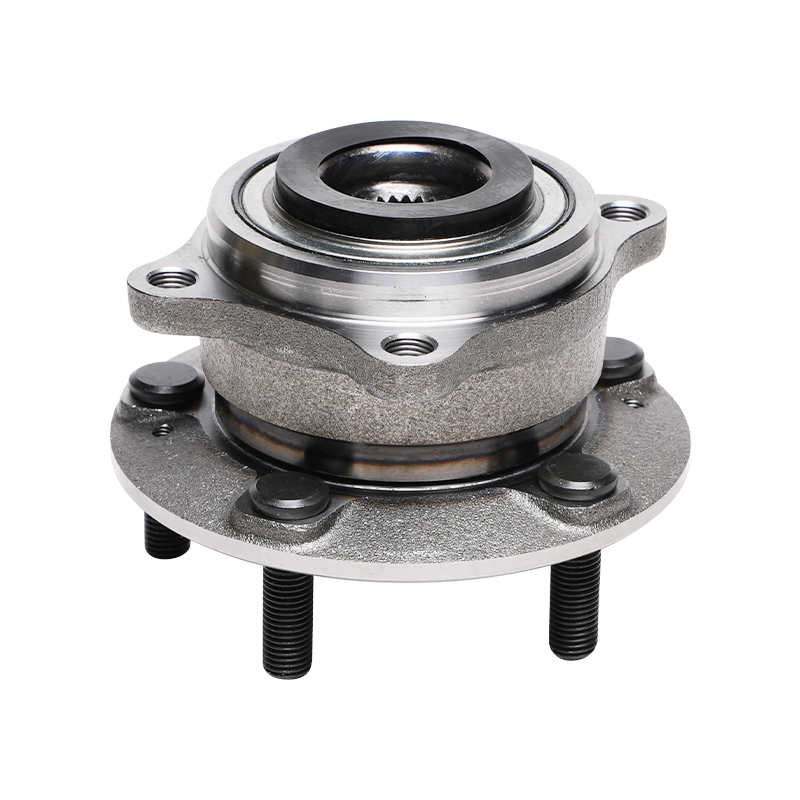
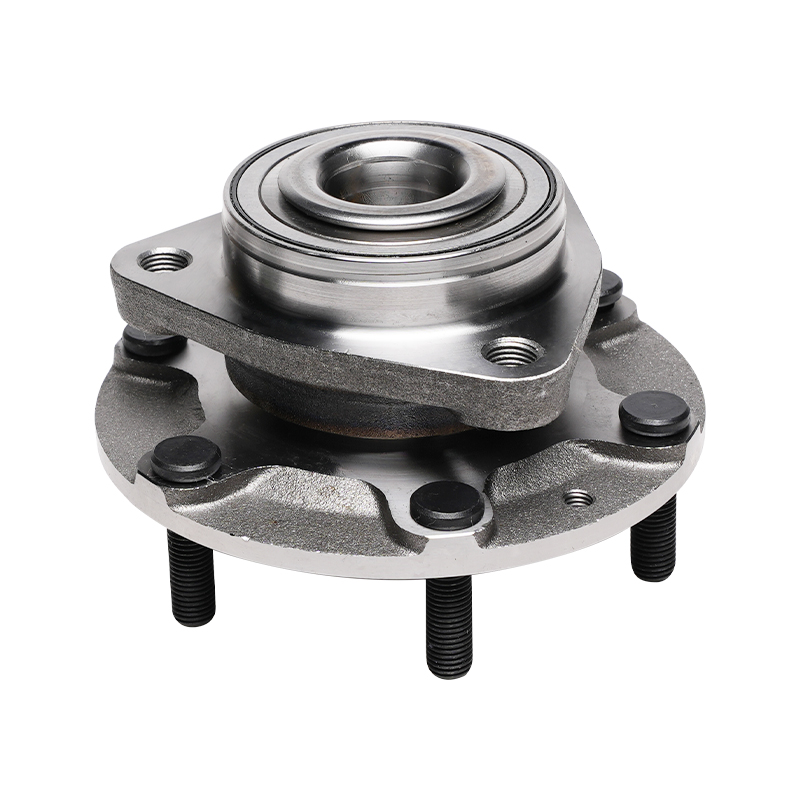
浙江力科汽车零部件有限公司 为全系列车辆原产地(日本、美国、欧洲、韩国和德国)制造和供应轮毂轴承和轮毂组件,涵盖广泛的乘用车、SUV 和轻型卡车应用。所有产品均按照 OEM 等效规格制造,包括尺寸精度、材料等级、轴承预载和编码器环集成,以实现 ABS 兼容性。提供批发和 OEM/ODM 供应。
请联系我们,告知车辆年份、品牌、型号和受影响的车轮位置,以确定适合您应用的正确轮毂组件。
相关产品: 日本汽车轮毂轴承 | 一个merican Cars Wheel Hub Bearing | 欧洲汽车轮毂轴承 | 韩国汽车轮毂轴承 | 德国汽车轮毂轴承


